Morning Pages. The most natural way of Mental Support
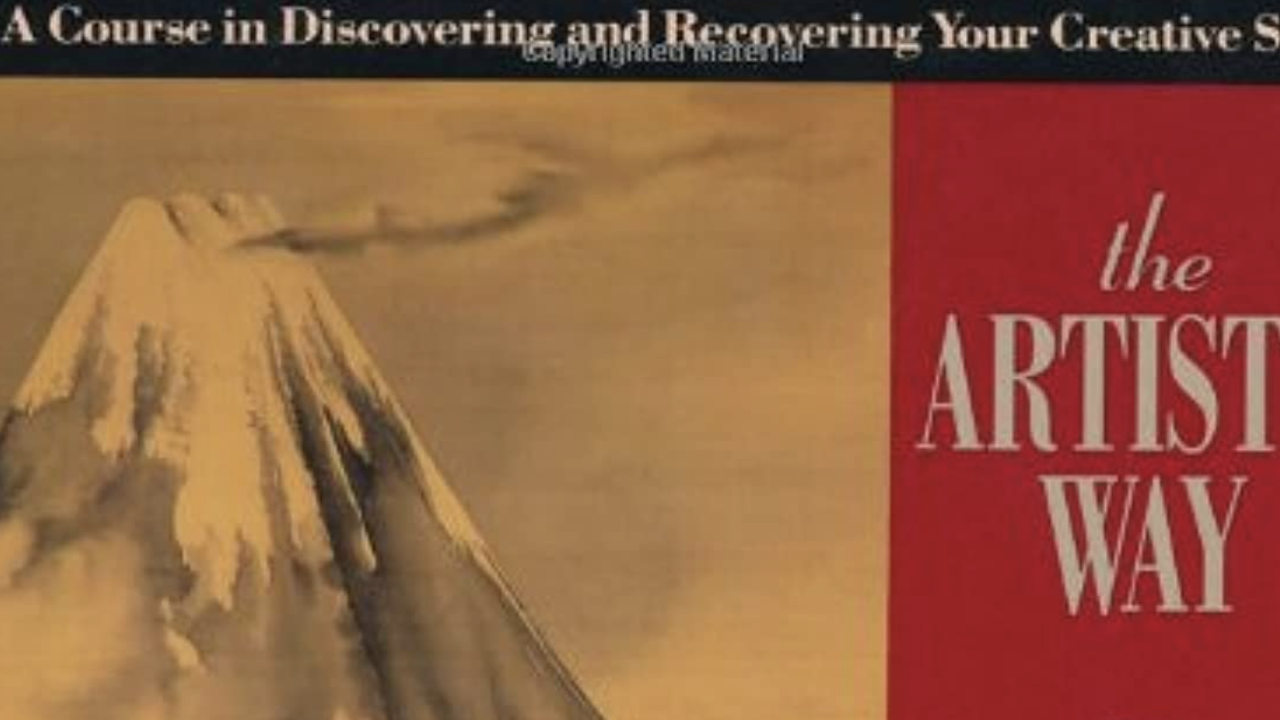
The practice of morning pages, popularized by Julia Cameron in her transformative 1992 book The Artist’s Way: A Spiritual Path to Higher Creativity, has quietly become one of the most powerful tools for personal growth, emotional clarity, and yes—self-healing.
Cameron describes morning pages as three pages of longhand, stream-of-consciousness writing done first thing upon waking. There’s no wrong way to do them: no editing, no censoring, no worrying about grammar or coherence. You simply keep your hand moving across the page until you’ve filled those three pages (roughly equivalent to A4 size). The goal isn’t to produce “good” writing—it’s to dump the mental clutter that accumulates overnight and throughout life.
Why Morning Pages Serve as a Self-Healing Mechanism
At its core, morning pages function like a gentle, daily therapy session you conduct with yourself. By externalizing thoughts, worries, frustrations, and half-formed ideas right at the start of the day, you create space for healing in several profound ways.
First, they act as a mental detox. Cameron explains that the pages “clear the mind” by sweeping away petty grievances, nagging to-dos, anxieties, and negative self-talk before they can dominate your consciousness. Many practitioners report feeling lighter and less overwhelmed after just a few weeks—similar to how venting to a trusted friend unburdens the heart. As one long-time user put it, it’s like putting your inner chaos on the page so it stops swirling in your head all day.
Second, morning pages foster emotional processing and self-discovery. The stream-of-consciousness format lets buried feelings surface naturally. You might start complaining about the same issue day after day, only to realize—through the act of writing—that it’s time for change. Cameron notes in The Artist’s Way that “It is very difficult to complain about a situation morning after morning, month after month, without being moved to constructive action.” The pages lead you “out of despair and into undreamed-of solutions.” This gradual uncovering often reveals patterns, unmet needs, or old wounds that need attention, turning the practice into a form of informal self-therapy.
Third, they build self-compassion and inner safety. There’s something profoundly healing about having a private space where you can say anything—angry rants, silly fears, vulnerable confessions—without judgment. Cameron emphasizes meeting your “shadow” side (those darker, repressed parts of the psyche) and even “taking it out for a cup of coffee.” Over time, this non-judgmental dialogue reduces self-criticism, quiets the inner censor, and cultivates a kinder relationship with yourself.
Finally, the ritual supports clarity, reduced anxiety, and renewed energy. Many people describe emerging from the pages with a calmer mind, sharper focus, and unexpected insights. The practice has been compared to meditation in motion: it quiets mental noise, lowers stress, and often leaves you more present and excited for the day. Research on expressive writing (like James Pennebaker’s studies) backs this up, showing that regular journaling of this kind can improve mood, boost immune function, and ease emotional burdens.
How to Start Your Own Morning Pages Practice
- Grab a notebook and pen (longhand is key—typing doesn’t have the same slowing, embodied effect).
- Set your alarm 10–20 minutes earlier.
- Write three pages immediately upon waking, before checking your phone or starting the day.
- Don’t reread or edit—just flow.
- Commit for at least a few weeks to notice the shifts.
You might feel resistance at first (most people do), but persistence pays off. Cameron herself has done them for decades, calling them essential for staying connected to a “higher power” and authentic self.
In a world full of noise, morning pages offer a quiet rebellion: time just for you, a daily act of listening to your own voice. Whether you’re healing from burnout, navigating change, or simply seeking more inner peace, this simple ritual—rooted in The Artist’s Way—can become a gentle, reliable companion on the path to wholeness.
Have you tried morning pages? If not, what’s one small step you could take tomorrow to begin? Your healing self might just be waiting on the page.