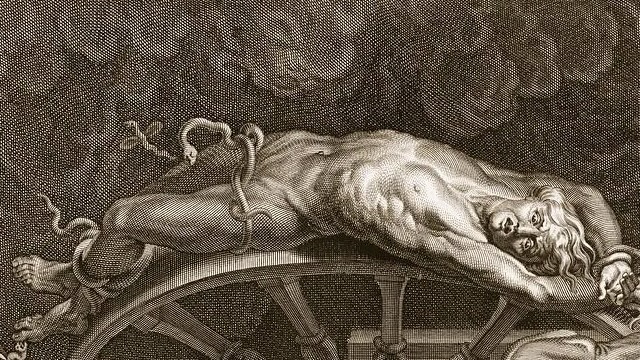
Focusing on death — Far from Being Morbid
Focusing on death—far from being morbid—can paradoxically become one of the most powerful tools for living a richer, more intentional, and fulfilling life. This idea traces back thousands of years (think Stoic philosophers like Seneca and Marcus Aurelius) and is echoed in modern psychology. The core practice is often called memento mori (“remember that you must die”), and its benefits are surprisingly practical and evidence-based. Here’s why deliberately contemplating your mortality tends to improve how you live:
-
It Sharpens Perspective and Prioritizes What Truly Matters When you remind yourself that your time is finite (roughly 4,000 weeks for the average person), trivial worries lose their grip. Petty arguments, endless scrolling, chasing status symbols, or delaying important conversations suddenly feel like poor uses of a limited resource. Death acts like a filter: it forces the question, “If this were my last year/month/week, would I still be doing this?” Many people report a natural shift toward intrinsic goals—deep relationships, personal growth, creativity, kindness—over extrinsic ones like endless accumulation or approval-seeking.
-
It Boosts Gratitude and Presence Life’s everyday moments become vivid when viewed against the backdrop of impermanence. A simple walk, a conversation with a loved one, or even a quiet cup of coffee gains weight because you know it won’t last forever. Studies show that reflecting on death increases appreciation for simple pleasures, heightens gratitude, and pulls people into the present rather than ruminating on the past or anxiously projecting into the future.
-
It Creates Urgency and Reduces Procrastination Knowing the clock is ticking injects healthy urgency. Dreams get pursued sooner, apologies are offered, risks are taken, and “someday” projects move to “today.” People who contemplate mortality often become more decisive and action-oriented, treating time as the non-renewable gift it is.
-
It Strengthens Relationships and Compassion Awareness of death frequently increases empathy, tolerance, and prosocial behavior. You become less interested in holding grudges or winning pointless battles because you realize how fragile and brief connections are. Psychological research links mortality awareness to greater concern for others, more forgiveness, and deeper bonding—ironically making you feel more alive through love and service.
-
It Reduces Anxiety in the Long Run (When Done Mindfully) While initial thoughts of death can stir discomfort, regular gentle reflection often lowers overall anxiety. It eases rumination over small stressors by putting them in cosmic context.
Existential psychologists like Irvin Yalom argue that facing the idea of death can actually “save” us—freeing us from denial and helping us live authentically instead of hiding from reality. How to Practice It Without Spiraling
Start small: Once a day (perhaps morning or evening), quietly say or write “I will die” or “This could be my last day” — then notice what changes in your priorities or mood. Journal: Write your own obituary or eulogy as you hope it would read—what values and actions would you want highlighted? Use reminders: A small skull image on your desk, a phone wallpaper with “Memento Mori,” or reading Stoic quotes. Frame it positively: Focus less on the end and more on the question, “Knowing this ends, how do I want to live right now?”
In short, death doesn’t take meaning away from life; it gives meaning to it. By remembering the end, we stop sleepwalking through the middle. Life stops feeling like an endless rehearsal and starts feeling like the main event—urgent, precious, and worth showing up fully for.
there is a great speech by the Maser Krishnamurti on this matter you can refer to: